 Getty ImagesSave this storySave this story
The year is 2013. I’m standing in front of my bathroom mirror, getting ready for school. A makeup tutorial plays on my iPad as I ponder how to ask my mom if I can buy the Nars “Orgasm” blush (I'm coming up with nothing) and finish up my makeup look. The pièce de résistance to my “beat” is a smoky eye created with the Urban Decay Naked Palette—specifically, the shades Buck in the crease, Sidecar all over the lid, and Darkhorse defining the outer corner. In those days, intense eye makeup wasn’t just for date night or school dances. It was for math class and Target runs, too. And then it disappeared.
In the 2010s, beauty vloggers were entering the zeitgeist, and Zillennials were finding community by experimenting with makeup. The bolder the better—especially when it came to the eyes. The lids were treated as a “playground” to test out the newest shimmery, smoldering shadows popularized on YouTube, and we showed them off without a second thought.
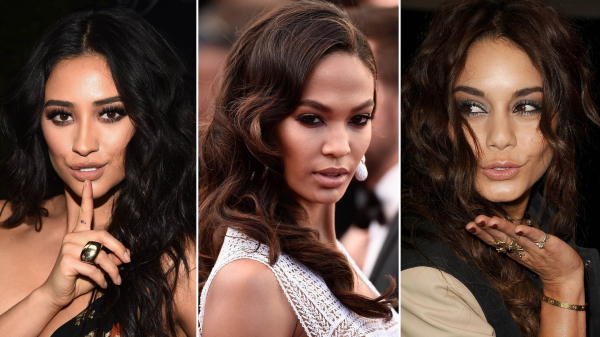
The smoky eye has a storied history, appearing on Egyptian royalty, 1920s flappers, and ’90s supermodels. You can attribute the effortlessly sexy smudged effect that caught on in the early aughts to makeup artists like Linda Cantello and Pat McGrath, who used black eyeliner pencil (instead of eye shadow) on models before they hit the runway. Indie sleaze, Tumblr, and TV shows like Gossip Girl and Pretty Little Liars reintroduced it to a new generation, bringing it into hot pink zebra-clad bedrooms of teenage girls (me). When the Naked palette launched in 2010, it was poised to define the decade, along with other staples like the Anastasia Beverly Hills Modern Renaissance and Too Faced’s boxed palettes.
 Getty Images
 Getty Images
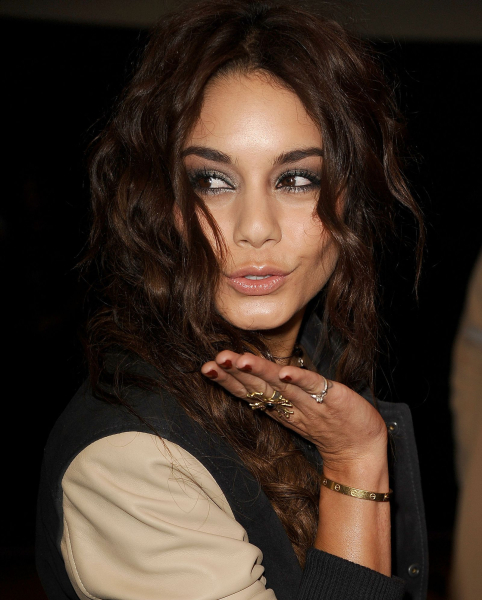
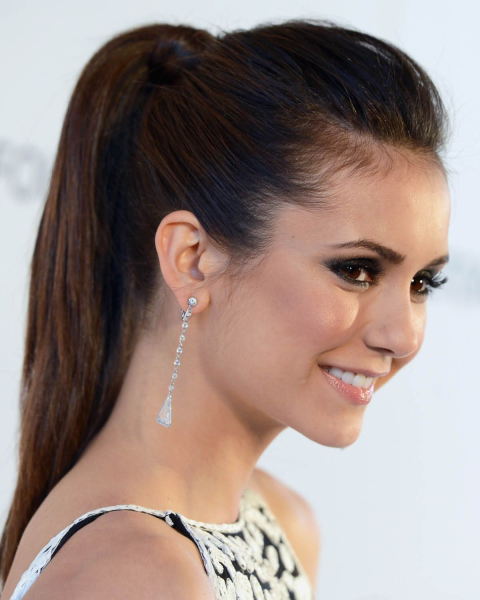
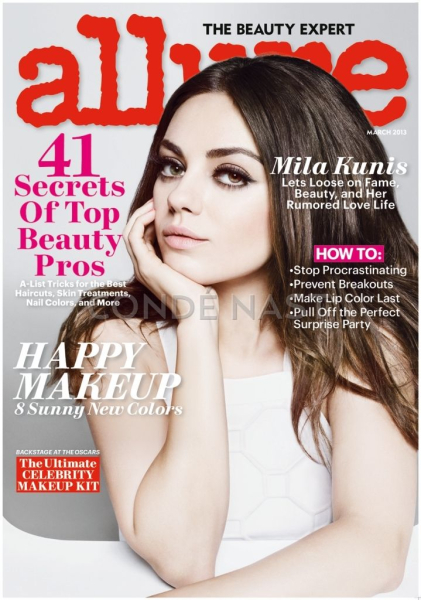
“Whenever you’d open Vogue, People, or Allure, it would always be Mila Kunis with that sparkly-ish smoky eye, or Nina Dobrev, Vanessa Hudgens. Those were the smoky eyes [I remember],” says Lila Childs, a New York City-based makeup artist and podcast host who’s been posting beauty tutorials online since 2012. “It wasn’t even [considered] loud makeup. It weirdly looked like it was part of the face. The tones matched [the client’s] eye color and skin tone, making the eye appear lower contrast and softer—even though they were wearing lashes and a full Naked palette on their eyes.”
 Tom Munro
My morning routine now consists of rolling over, working from my bed until noon, and getting ready for the day by applying skin-care products to my face. Even on nights out, my eyes remained relatively naked, save for mascara. It seems like the rest of the world traded their once, tried-and-true palettes for cream blushes and clear brow gel (unless they’d gotten really into Euphoria).
Childs believes this new era stemmed from the age gap between trendsetter and consumer. As the celebrities and vloggers Gen Z and Zillennials took inspiration from matured, their looks became subtler. She adds that brands that featured more of a luminous, refined glam—like Charlotte Tilbury and Hourglass—rose in prominence during this period. “It was a little bit more Victoria’s Secret bombshell—a bit more natural. And then Glossier was so minimal. There were just beauty brands that were coming out with this whole concept of wearing a more natural face.”
“Clean” beauty looks became the standard (perhaps due to trend cycles, exhaustion from a world shut down, a growing emphasis on wellness culture, or all of the above). A TikTok search shows an abundance of glowy no-makeup makeup looks, centered around brushed-up brows, tinted cheeks, and blurred lips. Pop stars like Sabrina Carpenter and Haily Bieber further popularized this angelic, coquetteish aesthetic, which is arguably the antithesis of the sultry, dark vibe the smoky eye embodies. With this shift, lids are essentially neglected.
If you opened any social media app during the first couple of weeks of this year, you were met with every Zillennial It-Girl posting that “2016 is the new 2026.” King Kylie made her return, along with the Snapchat dog filter. All of this reminiscing revealed that what most people missed about this time period (along with blissfully ignorant hopecore) was the playful experimentation. “Doing my makeup like it’s 2016” quickly took off as a trend, with beauty creators posting tutorials set to Roses by the Chainsmokers, placing pieces of tape along their cheekbones to create the sharpest cat eye and minimize shadow fallout.
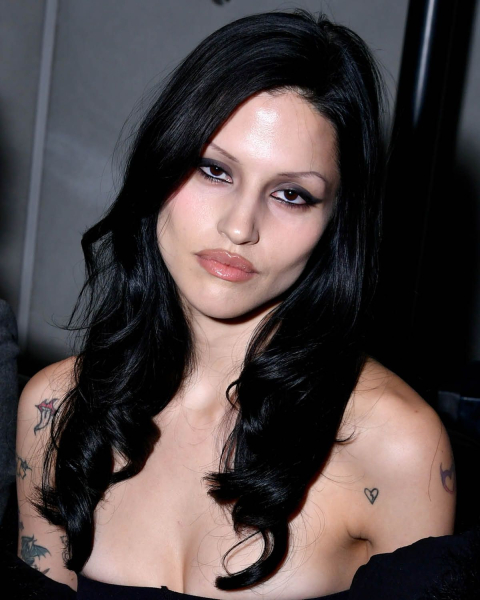
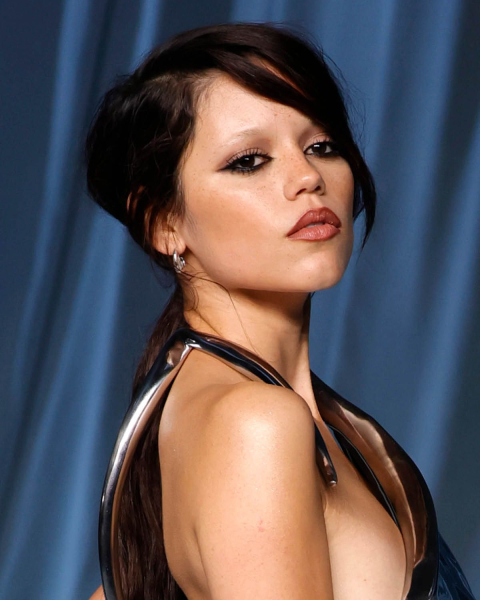
Along with this nostalgia, there’s a rejection of the “clean girl,” showing up in the adoption of goth and grunge, clubbing aesthetics. Introduced by Brat summer and influenced by the style choices of celebrities like Gabbriette, Julia Fox, and Jenna Ortega, this broader cultural moment is evident in the beauty world—and, of course, involves a dramatic smoky eye smudged to the gods.
 Getty Images
 Getty Images
Just like in the ’90s, the look is having a moment on runways; once again, with Gucci at the forefront. Sam Visser created ultra-bold looks for the Fall 2026 show, with other fashion houses (Prada, YSL, Tory Burch) following suit. As Childs muses in a TikTok, this presence begs the question: Is the Party Girl replacing the Clean Girl?
As a Zillennial, I have the authority to say that Gen Z must credit Millennial Tumblr for paving the way for this slept-in aesthetic: They were the ones religiously reblogging Sky Ferreira and Effie from Skins. But the younger generation is paying homage while also making it their own. The main caveat (other than a lack of shimmer): Now, you hope people think you only spent a few minutes getting ready.
Trying is now synonymous with cringe. Asking someone out, making a joke, riding a bike—cringe. “In the 2010s, you wanted the effort you put into your makeup to show on your face,” Childs says. “Now it’s like, ‘How can I make it appear as though I didn't try at all?’ So that would probably result in just a more pared-down version and something that has softer edges and isn't so manufactured.”
This sentiment reflects the minimalism of the ’90s more than any other decade—throwing on a t-shirt and jeans, rubbing eyeliner all over your lids, and going out the door. (If other people don’t think you look cool, fine, you didn’t give it your all anyway.) This vibe has trickled down to the makeup products lining beauty aisles today, explains Childs, adding that people are in search of ways to do “the most with makeup with the least amount of products.”
And that’s why the 2010s smoky eye feels special: You were happy to use an abundance of products and spend hours getting it just right. The heart of it is playing, a notion that’s become a nostalgic phenomenon.
This past Halloween, I dressed up as Snooki (her Jersey Shore “Where’s the beach!” ensemble, of course), wearing black shadow on my eyes for the first time in years. As I got ready, my 2010s dance party playlist on shuffle, everything felt new and exciting. It reminded me of my 2013 self, who was so proud of her self-taught makeup skills that she had to share them on Instagram, her friends sounding off in the comments about their own obsession with the Naked palette—the epitome of girlhood. I hadn’t realized how much I’d missed it. While I don’t think I’ll go back to doing a smoky eye daily, I fully intend to shut myself in my room every once in a while—eyeshadow palette in hand, YouTube tutorial loaded on my phone, and a couple of uninterrupted hours to play.
Leave a Reply